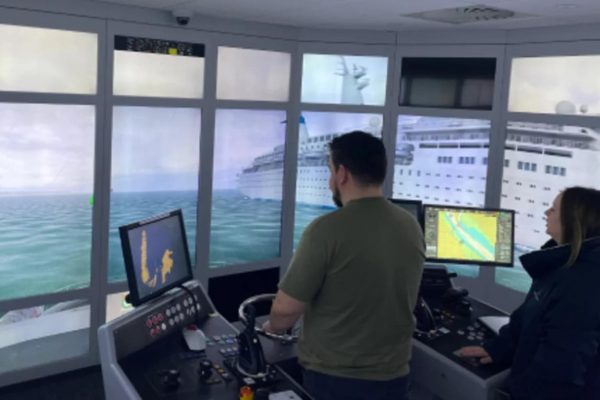
This year marks a major step forward for maritime training in the UK, with the first cohort of seafarer cadets now learning under a completely revamped syllabus designed to reflect modern technology, industry expectations and evolving career pathways.
From September 2025, nautical colleges across the country began teaching the updated programme, the result of an unprecedented industry-wide collaboration. The initiative was led by the Maritime and Coastguard Agency (MCA) as part of the Cadet Training and Modernisation (CT&M) Programme — a long-term effort to ensure UK seafarer training keeps pace with real-world needs.
A Curriculum Built for Today — and Tomorrow
The syllabus overhaul goes beyond minor tweaks. It introduces mandatory learning in areas that are rapidly becoming core to modern seafaring, including:
- Digital navigation and electronic charts, reflecting the move away from paper-based systems.
- Alternative fuels and new propulsion technologies, recognising the industry’s transition toward decarbonisation.
- Cyber security and data skills, essential for safeguarding increasingly networked ship systems.
These modules aim to equip trainees not just for today’s seagoing environments, but for the technological and regulatory challenges of the decade ahead.
Collaboration at the Heart of Change
What makes this rewrite particularly notable is the breadth of input from across the sector. The CT&M Programme brought together representatives from maritime education, industry bodies, unions and training providers, working with the MCA to ensure the syllabus reflects both practical operational needs and strategic trends.
According to Ajit Jacob, Chief Examiner at the MCA, the new syllabus represents “a strong foundation of skills” that will help seafarers “work effectively, safely and carry the maritime industry forward.”
This collaborative model — where a regulator, industry stakeholders and educators co-design training — is believed to be a first for UK maritime training.
What This Means for Aspiring Mariners
For cadets preparing to embark on professional qualifications, the updated syllabus offers a broader, future-ready skill set that aligns with both fleet requirements and emerging regulatory frameworks. For employers, it signals that new entrants to the industry will be better prepared for the rapidly changing technological landscape at sea.
The CT&M Programme doesn’t stop here: the syllabus will continue to be reviewed and updated on a regular basis to reflect industry evolution and feedback from learners and training providers.
Looking Ahead
This syllabus implementation is part of a broader shift in UK maritime training, drawing on recommendations from the Seafarer and Cadet Training Review and aimed at strengthening the UK’s position in global maritime education. With digital tools, new competencies and a stronger emphasis on modern skills, the training landscape is evolving — giving today’s cadets a head start on tomorrow’s challenges.